
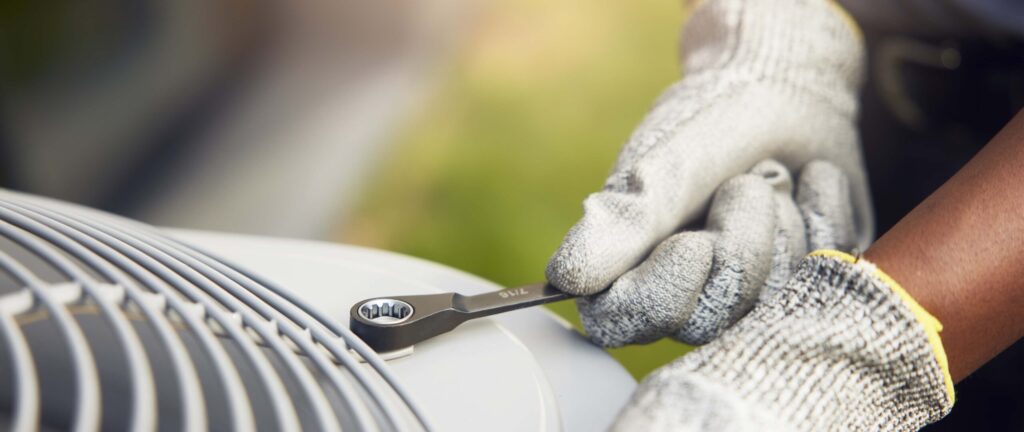
Experiencing a sudden breakdown of your air conditioner can be frustrating, especially during hot days. Before you reach for the phone to call for professional help, let’s explore the essential steps to troubleshoot the issue and potentially bring your cooling system back to life. Our guide, provided by the Best HVAC Repair Service, outlines five crucial checks to perform when your air conditioner is not working.
Discovering the root cause of the malfunction is the first step towards a cool and comfortable home. Let’s delve into the troubleshooting process to identify common issues and their solutions.
Read also 4 Quick Fixes for a Malfunctioning Air Conditioner >>>
1. Check the Thermostat:
Your thermostat serves as the command center for your air conditioning system, and ensuring it operates correctly is the first step in troubleshooting when your AC is not working.
Tips:
- Inspect Settings: Begin by checking if the thermostat is set to the desired temperature and mode (cooling or heating).
- Battery Check: Ensure the thermostat batteries are functioning. Dead batteries can lead to malfunctions.
- Wiring Inspection: Examine the thermostat wiring for any loose connections or damage.
Benefits: Regularly checking the thermostat provides several benefits for your air conditioning system.
- Optimal Performance: Correct thermostat settings ensure your AC operates at its intended capacity, providing efficient cooling.
- Energy Efficiency: Accurate temperature control prevents unnecessary energy consumption, contributing to cost savings.
- Preventive Maintenance: Addressing thermostat issues early can prevent more extensive problems, extending the lifespan of your HVAC system.
By incorporating thermostat checks into your routine maintenance, you can troubleshoot issues promptly and enjoy consistent comfort in your home. If problems persist, seeking professional assistance ensures a thorough diagnosis and effective solutions for a fully operational air conditioning system.
2. Inspect the Air Filter:
Your air filter plays a pivotal role in maintaining optimal performance and indoor air quality for your air conditioning system.
Tips:
- Regular Inspection: Make it a habit to inspect the air filter at least once a month.
- Replacement Schedule: Follow the manufacturer’s recommendations for replacing the air filter, typically every 1 to 3 months.
- Clean or Replace: If the filter appears dirty or clogged, clean it if reusable, or replace it with a new one.
Benefits: Regularly inspecting and maintaining your air filter offers various advantages.
- Improved Efficiency: A clean air filter allows for unobstructed airflow, preventing the system from overworking and improving overall efficiency.
- Enhanced Air Quality: A well-maintained filter traps dust, allergens, and pollutants, contributing to better indoor air quality.
- Extended System Lifespan: Proper air filter care reduces strain on the HVAC system, promoting longevity and minimizing the need for repairs.
Incorporating air filter inspections into your routine maintenance routine ensures your air conditioner operates at its best. This simple yet effective practice not only maintains a comfortable indoor environment but also contributes to energy efficiency and the long-term health of your HVAC system.
3. Examine the Condenser Unit:
The condenser unit, located outdoors, is a crucial component of your air conditioning system. Regular examinations contribute to efficient cooling and prevent potential malfunctions.
Tips:
- Visual Inspection: Periodically check for any visible damage, rust, or signs of wear on the condenser unit.
- Clear Surroundings: Ensure the area around the condenser is free from debris, leaves, or other obstructions that might hinder proper airflow.
- Professional Inspection: Consider scheduling a professional inspection annually to assess the internal components and address any issues proactively.
Benefits: Regular examinations of the condenser unit offer several benefits for your air conditioning system.
- Optimal Heat Exchange: A well-maintained condenser unit facilitates proper heat exchange, allowing the system to cool your home efficiently.
- Prevent Overworking: Removing debris prevents the AC from overworking, reducing energy consumption and preventing premature wear and tear.
- Enhanced Lifespan: Proactive inspections and maintenance contribute to the longevity of the condenser unit and the overall lifespan of your HVAC system.
Incorporating condenser unit examinations into your routine maintenance routine ensures your air conditioner operates at peak performance. By addressing issues promptly and preventing potential problems, you not only enjoy a cooler home but also extend the life of your HVAC system.
4. Inspect the Refrigerant Levels:
Checking and maintaining proper refrigerant levels is vital for the effective functioning of your air conditioning system. Insufficient levels can lead to decreased cooling efficiency and potential damage.
Tips:
- Visual Inspection: Look for visible signs of refrigerant leaks around the AC unit.
- Professional Check: Consider hiring a professional to perform a more comprehensive inspection, including checking for leaks and ensuring adequate refrigerant levels.
- Address Leaks Promptly: If leaks are detected, address them promptly to prevent further loss of refrigerant.
Benefits: Regular inspections of refrigerant levels provide various advantages for your air conditioner.
- Efficient Cooling: Optimal refrigerant levels ensure that your air conditioner can cool your home effectively, even during the hottest days.
- Preventive Maintenance: Identifying and addressing refrigerant issues early prevents more extensive damage to the system.
- Energy Efficiency: Proper refrigerant levels contribute to energy efficiency, potentially reducing your utility bills.
Incorporating refrigerant level inspections into your routine maintenance routine ensures that your air conditioning system operates at its best. Promptly addressing any issues detected during inspections allows you to enjoy consistent and efficient cooling while prolonging the lifespan of your HVAC system.
5. Clean the Evaporator Coils:
The evaporator coils are a critical component of your air conditioning system, responsible for absorbing heat. Regular cleaning ensures optimal performance and efficient cooling.
Tips:
- Turn Off Power: Before cleaning, turn off the power to the air conditioner to ensure safety.
- Access the Coils: Locate the evaporator coils, often found inside the air handler or furnace unit.
- Use a Soft Brush or Vacuum: Gently clean the coils with a soft brush or use a vacuum to remove dust and debris. Avoid using sharp objects that may damage the fins.
Benefits: Regularly cleaning the evaporator coils provides several benefits for your air conditioning system.
- Improved Heat Absorption: Clean coils facilitate efficient heat absorption, allowing the AC to cool your home effectively.
- Enhanced Cooling Performance: Removal of dust and debris ensures unrestricted airflow, contributing to enhanced cooling performance.
- Preventive Maintenance: Regular cleaning prevents issues such as reduced efficiency and potential coil damage, extending the lifespan of your HVAC system.
Incorporating evaporator coil cleaning into your routine maintenance routine is a proactive measure to ensure your air conditioner operates at its best. This simple yet effective practice not only maintains a comfortable indoor environment but also contributes to energy efficiency and the overall health of your HVAC system.
Common AC Problems and Solutions:
Air conditioning systems can face various issues, affecting their performance and your comfort. Understanding common problems and their solutions empowers you to address issues promptly.
Tips:
- Inadequate Cooling:
- Issue: Poor cooling can result from dirty air filters or blocked vents.
- Solution: Clean or replace air filters regularly and ensure vents are unobstructed.
- Unusual Noises:
- Issue: Odd sounds like squealing or banging may indicate belt issues or loose components.
- Solution: Have a professional inspect and tighten loose parts or replace a worn-out belt.
- Refrigerant Leaks:
- Issue: Reduced cooling efficiency may stem from refrigerant leaks.
- Solution: Address leaks promptly, and replenish refrigerant levels as needed.
- Thermostat Problems:
- Issue: Incorrect thermostat settings or a malfunctioning thermostat can lead to temperature discrepancies.
- Solution: Verify thermostat settings, replace batteries, or consult a professional for repairs.
Benefits: Understanding and resolving common AC problems offer several advantages for homeowners.
- Consistent Comfort:
- Timely solutions to AC issues ensure a consistently comfortable indoor environment.
- Energy Efficiency:
- Addressing problems promptly promotes energy efficiency, preventing unnecessary strain on the system.
- Cost Savings:
- Proactive maintenance and quick solutions can prevent extensive repairs, leading to cost savings.
By staying informed about common AC issues and implementing preventive measures, you can enjoy a more reliable and efficient cooling system, ensuring comfort throughout the seasons.
Signs It’s Time for Professional Help:
While some air conditioner issues can be addressed through basic troubleshooting, certain signs indicate the need for professional intervention. Recognizing these signals helps prevent further damage and ensures a thorough diagnosis.
Tips:
- Insufficient Cooling:
- If your AC consistently fails to cool your space adequately, despite regular maintenance, it’s time to consult a professional. This may signal deeper issues with the compressor or refrigerant levels.
- Unusual Sounds:
- Strange or loud noises like grinding, banging, or hissing can indicate mechanical problems. Professional technicians can identify the source and implement the necessary repairs.
- Frequent Cycling On and Off:
- Rapid and frequent cycling on and off, known as short cycling, can strain the system. A professional can determine the root cause, such as thermostat issues or a malfunctioning component.
- Water Leaks:
- Water leaks around the AC unit or in the indoor area may indicate a blocked drain or a refrigerant leak. Professional assistance is crucial to prevent further damage and ensure a safe resolution.
Benefits: Seeking professional help for certain AC issues provides multiple benefits for homeowners.
- Accurate Diagnosis:
- Professionals can accurately diagnose complex issues that may be beyond the scope of basic troubleshooting.
- Timely Repairs:
- Prompt professional intervention prevents issues from escalating, ensuring timely and effective repairs.
- Extended System Lifespan:
- Expert care contributes to the longevity of your air conditioning system, reducing the need for premature replacements.
Recognizing when it’s time for professional help allows you to address complex AC issues effectively, ensuring a well-functioning system and a comfortable indoor environment.
FAQ:
Q1: Can a dirty air filter cause my AC to stop working?
- A: Yes, a dirty air filter can restrict airflow, leading to reduced cooling efficiency and potential system malfunctions.
Q2: What should I do if the thermostat settings seem correct, but the AC is still not working?
- A: Check for issues with the thermostat itself, such as dead batteries or faulty wiring. If problems persist, professional assistance may be needed.
Q3: Is it normal for the outdoor condenser unit to make noise?
- A: Some noise is normal, but loud or unusual sounds may indicate issues. Clearing debris around the unit can sometimes resolve noise problems.
Q4: How often should I inspect refrigerant levels?
- A: Regular inspections are not typically required. However, if you notice reduced cooling efficiency or signs of leaks, it’s essential to check refrigerant levels promptly.
Q5: Are there any DIY solutions for cleaning evaporator coils?
- A: Yes, you can gently clean evaporator coils with a soft brush or vacuum. However, if you’re unsure, it’s advisable to seek professional assistance to avoid damage.