
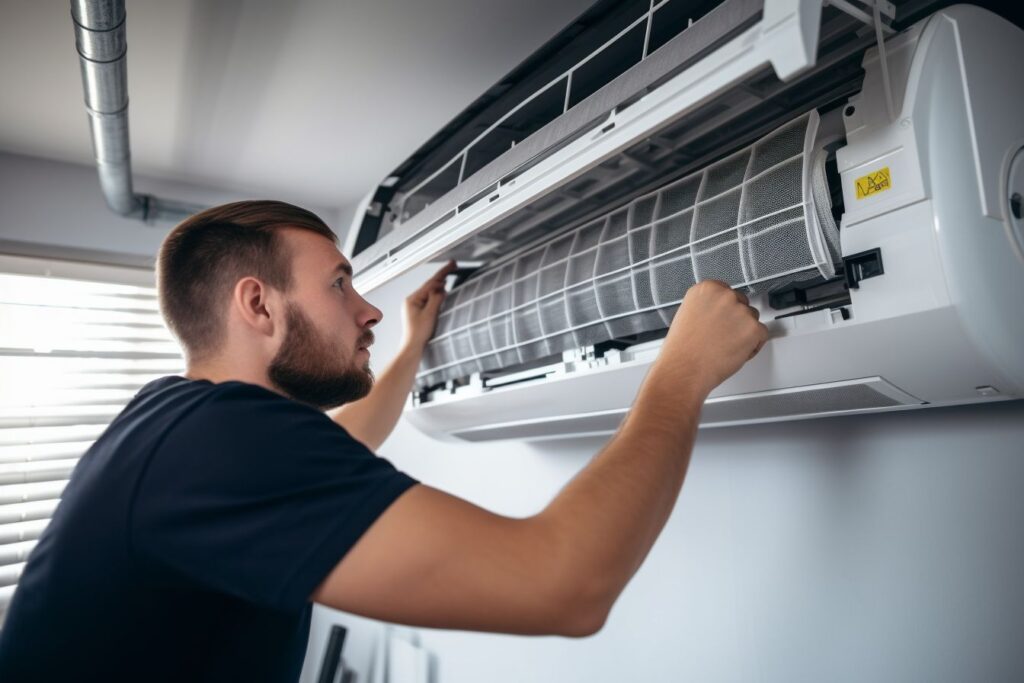
When the heat is on, and your air conditioner decides to take an unexpected break, it’s essential to know the steps to get it back in action. Our guide, tailored by HVAC experts from Best HVAC Repair Service, provides a comprehensive plan on what to do when your air conditioner is not working.
Explore this detailed guide crafted by the Best HVAC Repair Service to empower you with the knowledge to troubleshoot and address common issues when your air conditioner goes on the fritz.
1. Check the Thermostat:
Checking your thermostat is a crucial step in troubleshooting a malfunctioning air conditioner. Here’s a guide on how to effectively inspect this vital component.
1. Begin with a Visual Inspection:
- Pre-Description: Start by examining the thermostat physically.
- Extra Description: Look for any physical damage, loose wiring, or signs of wear. A thorough visual check can reveal obvious issues that may be affecting the thermostat’s performance.
2. Confirm Temperature and Mode Settings:
- Pre-Description: Dive into the thermostat’s settings.
- Extra Description: Ensure the thermostat is set to the desired temperature and operating mode (cooling or heating). Incorrect settings can lead to inadequate cooling performance.
3. Test and Calibrate:
- Pre-Description: Perform a temperature test to gauge accuracy.
- Extra Description: Use a separate thermometer to compare the displayed temperature with the actual room temperature. If there’s a discrepancy, calibrate the thermostat to ensure accurate readings.
Benefits of Checking the Thermostat:
- Improved Efficiency:
- A well-calibrated thermostat ensures that your air conditioner operates efficiently, providing accurate temperature control and preventing unnecessary energy consumption.
- Quick Issue Identification:
- Regular checks help identify and address thermostat issues promptly, preventing potential disruptions in your cooling system’s performance.
- Cost Savings:
- Correct thermostat settings contribute to energy efficiency, resulting in cost savings on your utility bills. Avoiding overcooling or overheating leads to optimal energy use.
- Enhanced Comfort:
- By ensuring the thermostat is accurately set, you create a comfortable indoor environment, preventing temperature fluctuations and maintaining consistent cooling.
In conclusion, checking your thermostat is a straightforward yet essential aspect of air conditioner maintenance. It empowers you to detect and resolve issues early, promoting efficient cooling and a more comfortable living space.
2. Inspect the Air Filter:
- Locate the Air Filter:
- Begin by finding the air filter in your HVAC system. Refer to your system’s manual for precise instructions.
- Check for Visible Debris:
- Examine the filter for visible signs of dirt and debris. If you can visibly see a layer of dirt, it’s an indication that the filter needs attention.
- Assess Filter Color:
- Observe the color of the filter. Some filters change color as they accumulate dust. A significant change signals the need for cleaning or replacement.
Benefits of Inspecting the Air Filter:
- Optimal Airflow:
- Regular inspections ensure unimpeded airflow through the system, crucial for efficient cooling.
- Energy Efficiency:
- A clean air filter reduces the workload on your air conditioner, promoting energy efficiency.
- Improved Indoor Air Quality:
- Regular checks prevent the buildup of allergens and pollutants, contributing to better indoor air quality.
- Extended System Lifespan:
- Maintaining a clean air filter reduces strain on your HVAC system, potentially extending its overall lifespan.
In conclusion, regularly inspecting the air filter is a proactive measure for maintaining the efficiency and longevity of your air conditioning system, ensuring optimal performance and a healthier indoor environment.
3. Examine the Condenser Unit:
Regularly examining your air conditioner’s condenser unit is a vital practice for maintaining peak performance and preventing potential issues.
- Visual Inspection:
- Start by visually inspecting the outdoor condenser unit for any visible signs of damage or debris.
- Clear Surrounding Area:
- Ensure the area around the condenser is free from debris, leaves, or any obstructions that may hinder proper heat exchange.
- Listen for Unusual Sounds:
- Pay attention to any unusual sounds coming from the condenser unit as they may indicate potential issues.
Benefits of Examining the Condenser Unit:
- Efficient Heat Exchange:
- Clearing the area around the condenser ensures optimal heat exchange, crucial for efficient cooling.
- Preventing Overheating:
- Regular examinations prevent overheating issues, maintaining the efficiency of your air conditioner.
- Extended System Lifespan:
- Proactive maintenance contributes to the overall health and longevity of your air conditioning system.
- Energy Efficiency:
- A well-maintained condenser allows for efficient heat dissipation, promoting energy efficiency and potential cost savings.
In conclusion, routine examinations of the condenser unit are essential for maintaining optimal performance, preventing potential issues, and ensuring the longevity of your air conditioning system.
4. Inspect the Refrigerant Levels:
Routine inspection of your air conditioner’s refrigerant levels is crucial for maintaining optimal cooling efficiency and preventing potential issues.
- Dive into the Refrigerant Levels:
- Begin a thorough diagnosis by checking the refrigerant levels of your air conditioning system.
- Look for Visible Leaks:
- Examine the system for any visible signs of refrigerant leaks, such as oily spots or stains.
- Addressing Issues Promptly:
- If you detect low refrigerant levels or leaks, address them promptly to ensure your system operates at its best.
Benefits of Inspecting the Refrigerant Levels:
- Optimal Cooling Capacity:
- Adequate refrigerant levels are crucial for optimal cooling capacity, ensuring your air conditioner effectively cools your living spaces.
- Preventing Cooling Inefficiency:
- Insufficient refrigerant levels can lead to reduced cooling efficiency, affecting the performance of your air conditioner.
- Extended System Lifespan:
- Proactively monitoring refrigerant levels contributes to the overall health and lifespan of your air conditioning system.
- Improved Energy Efficiency:
- Maintaining proper refrigerant levels prevents overworking of the air conditioner, resulting in lower energy consumption and potential cost savings.
In conclusion, regular inspection of refrigerant levels is a key component of air conditioner maintenance. It not only ensures efficient cooling but also supports the longevity of your cooling system, providing you with reliable comfort throughout the seasons.
5. Clean the Evaporator Coils:
Regularly cleaning your air conditioner’s evaporator coils is a fundamental practice for maintaining optimal performance and efficiency.
- Efficient Heat Absorption:
- Evaporator coils are responsible for absorbing heat from the indoor air. Regular cleaning ensures they remain free from obstructions, facilitating optimal heat absorption and efficient cooling.
- Improved Cooling Performance:
- Clean evaporator coils enhance the air conditioner’s ability to cool the air effectively. By removing dust and debris, you allow for optimal heat exchange, ensuring your cooling system operates at its best and providing a consistent and comfortable indoor temperature.
- Energy Efficiency:
- When the evaporator coils are free from obstructions, the air conditioner doesn’t have to work as hard to achieve the desired temperature. This results in lower energy consumption, contributing to cost savings on your utility bills.
- Extended System Lifespan:
- Regular maintenance, including the cleaning of evaporator coils, contributes to the overall health and longevity of your air conditioning system. By preventing unnecessary strain on the unit, you reduce the risk of premature wear and tear.
In conclusion, incorporating the cleaning of evaporator coils into your air conditioner maintenance routine is a proactive step toward optimal cooling performance, energy efficiency, and a longer-lasting cooling system, providing you with reliable comfort in your home.
6. Seal Air Leaks:
Addressing and sealing air leaks in your home is a fundamental strategy for enhancing your air conditioner’s efficiency and creating a more comfortable living environment.
- Reduced Energy Wastage:
- Air leaks allow cooled air to escape and warm air to infiltrate, making your air conditioner work harder to maintain the desired temperature. Sealing these leaks prevents energy wastage, contributing to cost savings on your utility bills.
- Consistent Indoor Temperature:
- Unsealed gaps and cracks can result in uneven cooling, creating discomfort in different areas of your home. Sealing air leaks helps maintain a consistent indoor temperature, ensuring every room stays comfortably cool.
- Energy Efficiency:
- By sealing air leaks, your air conditioner operates more efficiently, using less energy to cool your home. This not only reduces your environmental footprint but also lowers your overall energy costs.
- Improved Indoor Air Quality:
- Sealing air leaks not only prevents the escape of conditioned air but also helps keep outdoor pollutants, allergens, and dust from entering your home. This contributes to better indoor air quality and a healthier living environment.
In conclusion, sealing air leaks is a cost-effective and energy-efficient way to enhance the performance of your air conditioner. By maintaining a well-sealed home, you not only improve energy efficiency but also enjoy a more comfortable living space while contributing to a more sustainable environment.
7. Ensure Proper Insulation:
Proper insulation is a cornerstone of an efficient air conditioning system, offering numerous benefits for your home’s comfort and energy consumption.
- Temperature Regulation:
- Insulation acts as a barrier against outdoor temperature fluctuations. Ensuring proper insulation allows your air conditioner to regulate indoor temperatures more effectively, preventing heat from entering in the summer and escaping in the winter.
- Reduced Energy Consumption:
- A well-insulated home requires less effort from your air conditioner to maintain the desired temperature. This translates to lower energy consumption, resulting in cost savings on your utility bills and a more environmentally friendly household.
- Consistent Comfort:
- Insufficient insulation can lead to uneven cooling, creating hot and cold spots throughout your home. Adequate insulation ensures a consistent and comfortable indoor environment in every room, eliminating discomfort caused by temperature fluctuations.
- Financial Savings:
- Investing in proper insulation pays off in the long run. Lower energy bills and reduced strain on your HVAC system can result in financial savings, making it a cost-effective solution for homeowners.
In conclusion, ensuring proper insulation is an investment in the efficiency, comfort, and sustainability of your air conditioning system. By creating a well-insulated home, you not only improve energy efficiency but also enjoy a more consistent and cost-effective cooling experience.
Common AC Problems and Solutions:
- Inadequate Cooling:
- Problem: Your AC is not cooling the space effectively.
- Solution: Check and replace the air filter, ensure proper insulation, and inspect the condenser unit for any obstructions.
- Strange Noises:
- Problem: Unusual sounds coming from your AC unit.
- Solution: Investigate for loose parts, check the fan, and schedule professional maintenance if needed.
- Frequent Cycling On and Off:
- Problem: Your AC cycles on and off too frequently.
- Solution: Inspect the thermostat settings, clean the air filter, and ensure proper refrigerant levels.
- Water Leaks:
- Problem: Water is leaking from your AC unit.
- Solution: Check the condensate drain line for clogs, and ensure the unit is level.
- Unpleasant Odors:
- Problem: Foul smells from the AC vents.
- Solution: Clean or replace the air filter, inspect for mold or mildew, and consider professional cleaning.
Benefits of Addressing Common AC Problems:
- Enhanced Comfort:
- Quick resolution of AC issues ensures a consistently comfortable indoor environment.
- Energy Efficiency:
- Addressing problems like clogged filters or low refrigerant levels promotes energy efficiency, reducing your environmental impact and utility bills.
- System Longevity:
- Timely maintenance and solutions contribute to the extended lifespan of your air conditioning system, minimizing the need for premature replacements.
- Cost Savings:
- Proactively resolving AC issues prevents more extensive and costly repairs, saving you money in the long run.
In conclusion, being aware of common AC problems and their solutions empowers you to maintain a reliable and efficient cooling system, ensuring comfort and cost savings in your home.
When to Call a Professional:
- Insufficient Cooling Despite DIY Efforts:
- If your air conditioner continues to underperform after attempting basic troubleshooting steps, it’s time to consult a professional. Persistent issues may require a trained technician to identify and address complex problems.
- Unusual or Loud Noises:
- Strange sounds emanating from your AC unit, such as grinding, banging, or screeching, often indicate internal issues. A professional assessment can pinpoint the problem and prevent further damage.
- Refrigerant Leaks:
- Refrigerant leaks are a serious issue that demands immediate attention. Only licensed professionals should handle refrigerant-related problems to ensure safety and compliance with environmental regulations.
- Electrical Problems:
- If you notice electrical issues like tripped breakers, sparking, or frequent system shutdowns, it’s essential to call a professional. Electrical problems pose a risk of fire or further damage to your HVAC system.
- Complete System Failure:
- When your air conditioner fails to turn on or experiences a complete system shutdown, professional intervention is necessary. A trained technician can assess the root cause and provide appropriate solutions.
Benefits of Calling a Professional:
- Expert Diagnosis:
- Professionals possess the expertise to accurately diagnose complex issues, ensuring a precise and effective solution.
- Safety Assurance:
- Handling electrical components, refrigerants, and intricate HVAC systems can be hazardous. Professionals adhere to safety standards, reducing the risk of accidents and injuries.
- Timely and Efficient Repairs:
- Professional technicians can swiftly identify and address problems, minimizing downtime and ensuring your air conditioner operates at peak efficiency.
- Preventive Maintenance:
- Beyond repairs, professionals offer preventive maintenance services to keep your system in top condition, preventing future issues and extending its lifespan.
In conclusion, calling a professional is crucial when faced with challenging or potentially hazardous air conditioner issues. Their expertise ensures a safe, efficient, and long-lasting solution to keep your home comfortably cool.
Read also 5 Top DIY Tips If Your Air Conditioner Is Not Working >>>
FAQ:
Q1: Why is my air conditioner blowing warm air?
- A: Check the thermostat settings, the air filter, and the refrigerant levels. These issues are common causes of warm air blowing from your AC.
Q2: How often should I replace my air filter?
- A: For optimal performance, replace or clean your air filter every 1-3 months, depending on usage and filter type.
Q3: Can I clean the evaporator coils myself?
- A: Yes, you can clean the evaporator coils with a soft brush or a vacuum cleaner. Ensure the power is off before attempting any cleaning.
Q4: What does it mean if I hear strange noises from my AC unit?
- A: Unusual sounds may indicate issues with the fan, motor, or other components. Schedule professional inspection if you hear persistent strange noises.
Q5: Is it normal for my AC to produce a musty smell?
- A: A musty smell can indicate mold or mildew in the system. Clean or replace the air filter and consider professional cleaning to address the issue.